CRM Activity Logging Gaps When Deals Move Outside Email
Email and calendar sync miss the conversations that actually move deals forward.
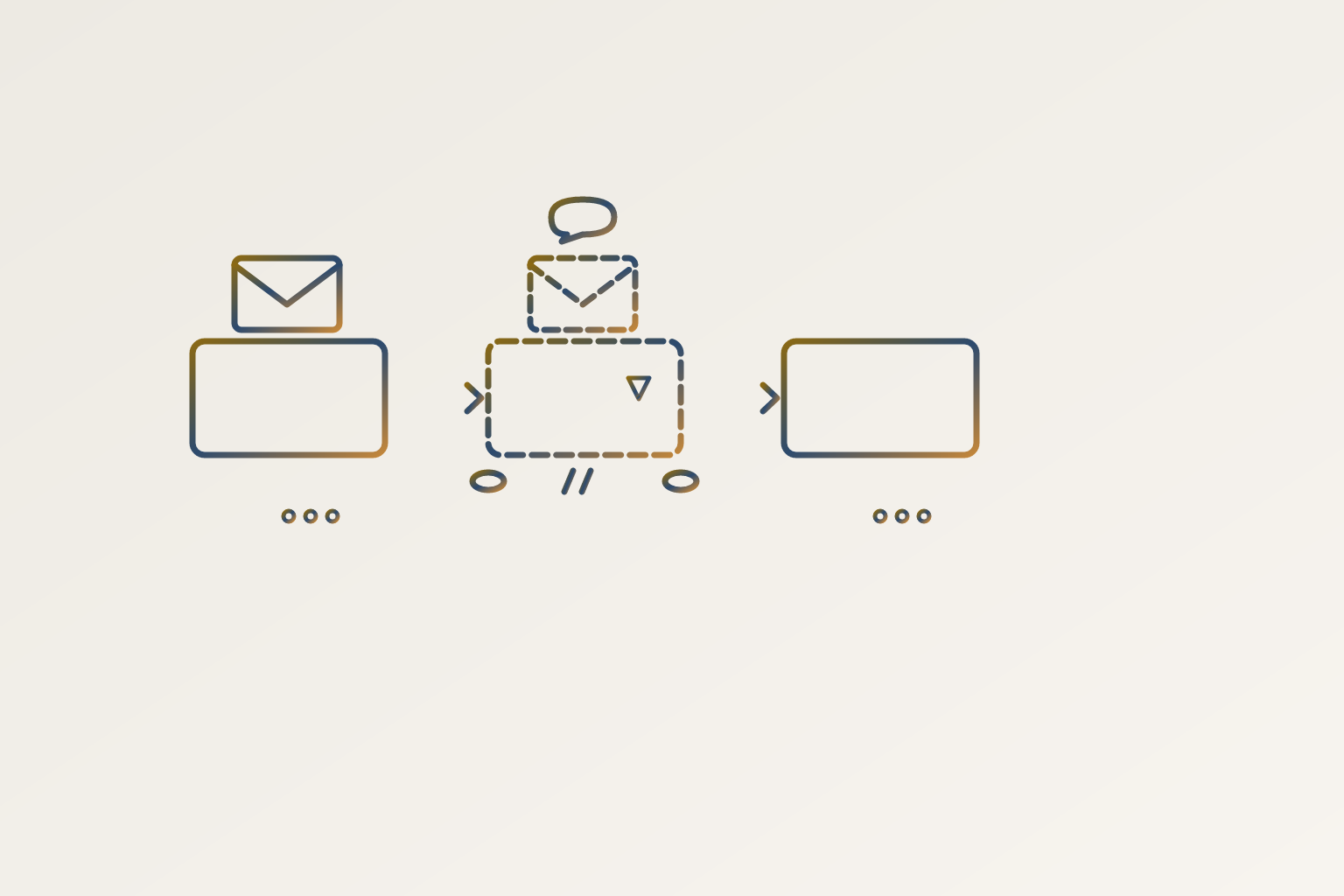
Email and calendar sync can make a CRM look busy while leaving gaps in the deal record. This article examines the gap when deals move outside email and argues that better visibility requires more than automatic logging. Teams need governed capture, relationship intelligence, and people who log conversations that connected systems cannot reach.
Why CRM activity logs are structurally incomplete even when email sync is working perfectly
On a forecast call, twelve of thirty open deals turn out to have zero logged activity in three weeks. There are no calls, emails, or notes on those records, yet the reps are actively working. A group call happened Tuesday, a follow-up email went out, and a Slack thread contains deal updates. The record and the work have diverged. The system needs to see where people are doing their jobs.
Some missing activity may reflect a broken connection, but perfect configuration cannot resolve the underlying channel mismatch. Automatic capture logs email, scheduled calendar events, and calls made through connected systems. To capture LinkedIn messages, WhatsApp conversations, in-person exchanges, or personal-cell calls, it needs more setup or help from people. These are boundaries of the capture design. A CRM can therefore log every supported interaction correctly while leaving the conversations that advance a deal outside its history.
How the three channels email sync does cover actually work — and where each one still falls short
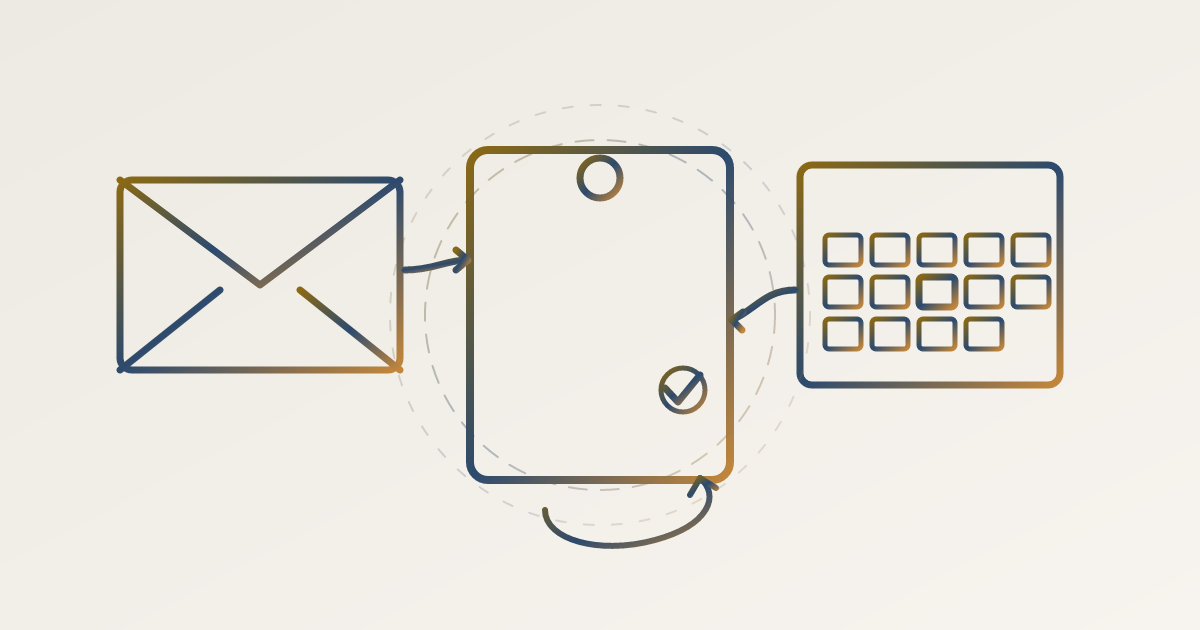
Email capture saves a lot of routine work. Salesforce's Einstein Activity Capture uses the email address to match messages to contacts, leads, and opportunities, while HubSpot's connected inbox logs messages that people send and receive. But capture and reporting are different functions. EAC processes data through Salesforce's servers rather than necessarily writing it to standard activity objects, so that data does not appear in all native reports by default.
Salesforce's Summer '25 “Sync Email as Salesforce Activity” option offers a native route to standard-object writes for organizations that opt in. Cirrus Insight and Riva provide other routes, with the cost of another tool. Duplication is a separate problem. Running Outreach or Salesloft and native CRM email sync on the same mailbox can create duplicate records. Apollo identifies a matching rule on contact email, activity date, and activity type as a governance requirement to prevent repeated logging.
Calendar and connected-call capture have narrower informational limits. Google Calendar or Outlook meetings create event records linked to contacts and opportunities, but those records do not explain decisions or commitments. A timestamp is not an account of the conversation. Connected VoIP systems and sales dialers can log date, time, duration, and outcome, while calls on personal phones remain outside that connection. Apollo consequently frames capture as a RevOps data-quality project, because indiscriminate syncing creates noise that weakens reporting and AI features.
The channels where the highest-stakes deal conversations actually happen — and why none of them can be auto-logged
LinkedIn presents a different problem from incomplete CRM reporting. It has no open API for message content, so an email integration cannot simply pull those conversations into the record. This is not a setting left unchecked. WhatsApp also falls outside ordinary email capture, even though it is often the main way people discuss deals in financial services and international deal-making. The distinction is between imperfect capture within a connected channel and conversations outside that connection altogether.
In-person exchanges sit further beyond automatic capture because the conversation itself generates no digital record for a tool to retrieve. Dinners, conference introductions, and office visits can advance a relationship without appearing in an activity feed. Referral chains create the same blind spot. When a co-investor mentions a company to a partner over lunch, the introduction may exist nowhere in a connected system. A later email cannot by itself reconstruct the trust, concerns, or commitments exchanged at that lunch.
Personal-cell calls leave another break in the history. Sensitive conversations about terms, concerns, or a quiet decision often happen outside connected dialers. Their significance does not make them technically accessible. Affinity describes private capital deal cycles unfolding over months or years through informal touchpoints of this kind. Taken together, these channels represent a category of relationship activity that ordinary CRM auto-logging was not designed to capture, rather than a collection of rare integration failures.
Why the gap is more damaging in relationship-driven deal environments than in transactional sales
In private capital, a missing interaction can mean losing the thread of a relationship built over years. Affinity notes that a company may touch a dozen people across a firm before anyone formally logs an opportunity. The history precedes the pipeline entry. For investors, founders, and BD operators, that makes activity capture more than a record of progress through sales stages. It is also a way of retaining the context through which an opportunity became possible.
Staff departures expose the fragility of that context. Affinity describes emails, meeting history, and potential warm introductions leaving with a partner or associate when their knowledge has not become accessible to the firm. Meanwhile, ordinary pipeline decisions still depend on complete records. monday.com identifies the consequences of missing decision-maker contacts, inaccurate close dates, and unclear deal stages as blocked deal progress, unreliable revenue forecasts, and weak resource allocation. Pipedrive's CRM trends report finds that when tools are not connected, teams miss important actions, opportunities, or updates at least once a week.
When a firm's network is spread across private inboxes, teams can miss opportunities that their colleagues could have helped them find. Affinity quotes an operations leader. “The cost of manual entry goes beyond the time it takes to type. It includes every deal you didn't source because you didn't know your colleague had a warm connection, every follow-up that slipped because it wasn't logged, and every LP relationship that went cold because no one at the firm could see the full picture.”
Why warm-path deal activity is both the most valuable and the least capturable
A warm introduction puts the introducer's social capital behind the connection, signaling that the recipient can give it attention with some confidence. Warm introductions convert to successful meetings at substantially higher rates than non-referred approaches because that trust changes how the approach is received. Another email on its own cannot carry that same endorsement.
In private capital, direct relationships with owners, management teams, and trusted intermediaries open access to off-market opportunities. Banker-led auctions instead put firms into competition on price, pushing valuations up and returns down. The path to an opportunity can therefore influence its economics before formal diligence begins. An activity record that overlooks that path misses more than the origin of a contact.
The useful connection may also be indirect. Affinity describes relationship intelligence as a way to map a firm's shared network and find key contacts and opportunities, including paths hidden in each person's inbox. Who knows someone who could make the introduction? That question cannot always be answered by searching the target company's activity feed. Second- and third-degree paths rely on relationships outside the deal record, and the conversations that put those paths to use often happen in channels that are hardest to capture.
What a complete activity record actually requires beyond email and calendar sync
Apollo describes five integration methods, including native capture, sales engagement platforms, call intelligence tools, iPaaS connectors, and direct APIs or webhooks. Each reaches a different part of the activity stack. None, by itself, retrieves the content of an in-person conversation or removes the access barriers around messaging. Call intelligence can attach recordings and transcripts, but only for calls through systems that permit recording.
Affinity distinguishes the CRM's role as the system of record for contacts, accounts, and deals from the relationship graph that shows who knows whom, how strongly, and through which connectors. The graph adds context to stored activity. Yet people still need to add what they know when there is no record the system can access. For LinkedIn message content and in-person conversations, the design question remains how easily someone can create a useful record and whether the prompt reaches the right person at the right moment.
Rolo fits this architecture as a relationship layer. It connects email, calendar, LinkedIn, and messaging apps into a single queryable memory layer, surfacing warm paths and ranking connections by relevance and recency. That role addresses visibility across scattered relationship histories. It does not erase the capture limits already described. Apollo's governance-first approach therefore remains necessary before automatic sync, defining what belongs in the record, what should stay out, and how duplicates will be handled.
The privacy and permissioning problem that any cross-channel capture solution must solve first
The proposed breadth of capture creates a legitimate objection. If the useful context lives in personal inboxes, messaging threads, and sensitive calls, how much should become visible to colleagues? Greater access is not automatically a better outcome. Every integration writing activity data to CRM expands the attack surface. Apollo says OAuth scope management and audit controls must be in place for automatic sync before it goes live.
The central distinction is between private relationship context and useful institutional signals. A firm may benefit from knowing that a connection exists without needing unrestricted access to the underlying communication. Those are different kinds of information. A sound permissioned architecture keeps each person's context private while letting the team use relationship signals they have permission to see. Without those limits, a firm trying to keep what its people know risks exposing the relationships it wants to support.
At the enterprise level, a privacy-preserving design separates tenant-partitioned storage from a shared metadata and policy control plane. Federated approaches and identity-centered access control support analytical intelligence across tenants without pooling raw communications into a central repository. Architecture must make the boundary enforceable in practice. For firms evaluating these tools, the questions should concern data residency, permissioning granularity, and what happens when a user leaves, before feature breadth. Security certifications are a baseline expectation alongside those answers.
What teams can do now to reduce the gap, given the structural limits of current tools
The practical response is to improve capture without pretending completeness is attainable. Teams can begin with EAC or HubSpot's connected inbox as the baseline, then apply governance before enabling broad sync. Apollo recommends capturing outbound calls with dispositions, replied emails in active sequences, and booked meetings tied to open opportunities. Internal emails, calendar noise, and cold outreach to unqualified contacts should be excluded, with deduplication rules set in advance. For EAC reporting, teams that need standard-object writes can look at the native opt-in route or plan to add a connector.
Beyond that baseline, a relationship layer can expose connections that the activity feed cannot explain. A firm-wide graph ranked by recency and interaction frequency helps reveal who could introduce whom. Permission remains part of the selection criteria. Rolo also drafts outreach in the user's own voice without sending autonomously or exposing private context to the broader firm without permission.
People still need to take time to log off-channel activity. The goal is a low-effort record immediately after an interaction. monday.com recommends visual, step-by-step workflows showing what to capture after each meeting or call, with AI features that enrich contact data and summarize communication timelines. For an in-person meeting or personal call, decisions and next steps are the useful target. A follow-up email may auto-log, but it is not a substitute for recording what was agreed.
“Complete enough” is the more honest operating standard. The record needs to show which deals are advancing, which relationships are going cold, and which warm paths remain unused inside the firm. The final test is not how crowded the activity feed looks, but whether the firm can find and act on the trusted connection that opens a deal.